The Best National Parks to Visit in February — Ranked by Data
The best national parks to visit in February are Zion, Shenandoah and Capitol Reef — ranked by a fixed formula over official NPS crowd data (2021–2025), NOAA weather normals and daylight, with seasonal closures counted against inaccessible parks.
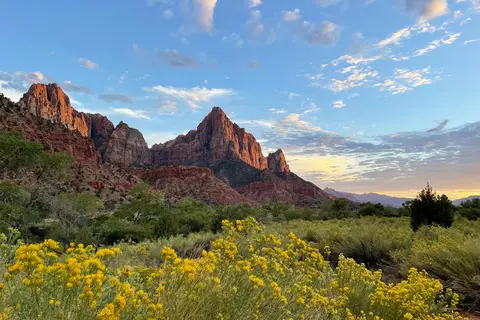
Zion in February
Score 80/100 · 25% of peak crowds · highs 58°F · 10.8h daylight
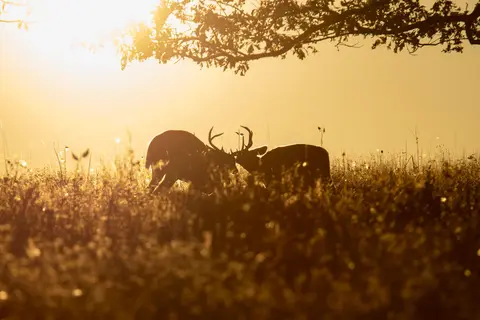
Shenandoah in February
Score 77/100 · 9% of peak crowds · highs 47°F · 10.8h daylight
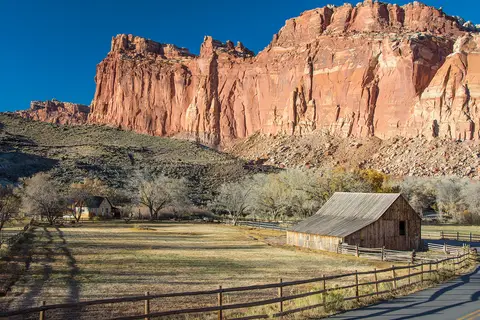
Capitol Reef in February
Score 76/100 · 10% of peak crowds · highs 47°F · 10.8h daylight
Top 10 for February
| # | Park | Verdict | Score | Crowds vs peak | High/Low | Daylight |
|---|---|---|---|---|---|---|
| 1 | Zion National Park | Best window | 80 | 25% | 58°F/34°F | 10.8h |
| 2 | Shenandoah National Park | Best window | 77 | 9% | 47°F/26°F | 10.8h |
| 3 | Capitol Reef National Park | Best window | 76 | 10% | 47°F/26°F | 10.8h |
| 4 | Carlsbad Caverns National Park | Best window | 76 | 39% | 61°F/37°F | 11h |
| 5 | Canyonlands National Park | Best window | 75 | 14% | 49°F/23°F | 10.8h |
| 6 | Gateway Arch National Park | Shoulder | 75 | 13% | 46°F/28°F | 10.8h |
| 7 | White Sands National Park | Best window | 75 | 42% | 63°F/27°F | 11h |
| 8 | Arches National Park | Best window | 74 | 26% | 50°F/29°F | 10.8h |
| 9 | Guadalupe Mountains National Park | Shoulder | 73 | 46% | 56°F/34°F | 11.1h |
| 10 | Big Bend National Park | Best window | 72 | 52% | 75°F/42°F | 11.2h |
Score = 45% weather comfort (NOAA 1991–2020 normals) + 35% quietness (NPS visitation 2021–2025) + 20% daylight, with penalties where headline access is typically closed. Identical formula for every park. Methodology.
What the top 10 call for in February
- Insulated winter jacketWhy: 6 of the top 10 have lows between 20°F and 32°F.
- Fleece jacketWhy: 4 of the top 10 have lows between 32°F and 45°F.
- Packable rain jacketWhy: 2 of the top 10 get between 2″ and 3.5″ of precipitation.
Counted from NOAA weather normals. Each park's February page has its own list. Affiliate links: VisitWhen earns from qualifying purchases, at no extra cost to you. Prices can change; Amazon shows the current one.
Think twice in February
At the other end of the ranking: Denali (harsh conditions), Yellowstone (harsh conditions), Isle Royale (harsh conditions), Katmai (headline access typically closed), Kobuk Valley (harsh conditions). Every park's page explains exactly why, with the underlying numbers.
Planning notes for February from the park service
Read the February notes for 46 parks
- Acadia: February trails at Acadia are routinely icy and snow-packed, so the park calls microspikes, crampons or ice grippers essential and strongly encourages trekking poles. It suggests easier routes such as Ship Harbor, Ocean Path and the carriage roads instead of steep summer climbs.
- Arches: February is one of the last quiet months at Arches before its busy season begins in March. Expect winter conditions: the park service puts winter highs at 30 to 50°F and lows near 0 to 20°F, and a dusting of snow or ice can make trails and roads impassable.
- Big Bend: February at Big Bend is inside the park's main visitor season (October through April), and the park service says the Chisos Mountains Lodge and all developed campgrounds fill every night from November to April. There are no first-come sites to fall back on, so a February camping trip needs a recreation.gov reservation, bookable up to six months ahead.
- Biscayne: February is one of the colder months, and the park's FAQ says that is when manatees turn up more often; ask a ranger about recent sightings. Collisions with boats are the leading human-caused threat to manatees, which is why slow speed zones are marked across so much of the Florida coast.
- Bryce Canyon: February at Bryce Canyon is a winter visit: the shuttle only runs from April to October 20, and Sunset Campground is closed until mid-April, so North Campground, open all year, is the in-park option. No advance reservation is needed to enter the park.
- Canyonlands: February at Canyonlands is a quiet winter month with reduced services, averaging a high of 52°F and a low of 28°F by the park's almanac, and about 22 nights below freezing. Snow-covered sandstone is treacherous and can hide cairns, so the park recommends instep crampons or other traction aids.
- Capitol Reef: February at Capitol Reef usually brings days in the upper 40s°F, nights in the mid-20s and about 2 inches of snow, with a record low of -7°F. Visitors, and leashed pets, can wander the historic Fruita orchards at any time of year; the park looks after about 1,900 heirloom trees there, watered by the same gravity-fed ditches pioneers dug in the 1880s.
- Carlsbad Caverns: February at Carlsbad Caverns is out of bat season (the bats are in residence April through October), so the draw is the cave itself. Entry needs a timed entry ticket; reserve the time, then buy the entrance ticket at the visitor center, open 9 a.m. to 5 p.m.
- Channel Islands: February is the tail of the wet season and the best stretch for gray whales: the park service says they are the most common sighting from mid- to late December through mid-March, while common dolphins are around all year. Watch from a boat with Island Packers or another operator out of Santa Barbara, Ventura or Channel Islands Harbor, or from land; the Ventura visitor center has a tower with telescopes.
- Congaree: February is the tail of Congaree's winter, mild by day in the mid-50s°F and sometimes freezing at night. Because the park drains a watershed about the size of Maryland, the park service notes that it does not have to rain at Congaree for the forest to flood; rain in upstate South Carolina is enough.
- Crater Lake: February sits deep in Crater Lake's winter, which the park service counts from November through April. Rim Drive is closed to cars and turns into a route for skiing and snowshoeing, while the North Entrance Road becomes a snowmobile trail.
- Cuyahoga Valley: February at Cuyahoga Valley averages 36°F by day and 21°F at night, with about 12 inches of snow, the park says, and winter temperatures can range from the mid-30s down to below zero. The park is open every day of the year, though Brandywine Falls, the Ledges and a few other areas close from dusk until the morning opening.
- Denali: In February you can still visit Denali's sled dogs: in winter the kennels open on Saturdays and Sundays from 1 to 4 p.m., hosted by a ranger, though the teams are sometimes out on the trail. The park has used working dog teams since 1922.
- Death Valley: February is in the second half of Furnace Creek Campground's reservation season at Death Valley, which runs from October 15 to April 15. It is the only campground in the park that takes bookings, from six months ahead to two days before arrival, so a February stay can be reserved from August.
- Dry Tortugas: February falls in Dry Tortugas' busier winter season: the park service says visitors from colder places head to South Florida and ferry spots fill quickly. Camping on Garden Key requires a tent, and you must bring your own water (about two gallons per person per day), food, fuel and ice.
- Everglades: February is the heart of Everglades' dry season, which the park service runs from November through April: mild, pleasant days, low humidity and clear skies make it one of the busiest times to visit. Ranger-led programs run at Royal Palm, Flamingo, Shark Valley and Gulf Coast.
- Glacier: February is deep winter in Glacier, and the park's ski page puts avalanches first. Before you leave the plowed road, check the Flathead Avalanche Center (flatheadavalanche.org).
- Glacier Bay: February at Glacier Bay is still deep in the off-season. The park says roads around Gustavus are mostly flat but can be difficult and icy in winter, and water-based activities may be limited.
- Great Basin: February at Great Basin is still ski and snowshoe season in the high country, and the Wheeler Peak Scenic Drive stays closed in winter beyond Upper Lehman Creek Campground. Down at the Lehman Caves Visitor Center, 6,825 feet up, afternoons reach about 44°F and nights drop near 21°F.
- Grand Canyon: In February, Grand Canyon's North Rim is closed for the winter: the park service keeps it open only through November 30 or the first major snowstorm, and its campground's tentative reopening date is May 15, 2027. Hikers should also know that the entire North Kaibab Trail, with Phantom Ranch and Bright Angel Campground, has been closed since August 29, 2026 because of flash flooding, with no reopening date yet.
- Great Sand Dunes: February at Great Sand Dunes is winter day-trip season: Piñon Flats Campground is closed from November through March, and vehicle camping is not allowed anywhere in the park or preserve until it reopens in April. Rangers staff the visitor center every day of the year, closing at 4:30 in the afternoon, so it is the place to check snow and road conditions before heading out.
- Great Smoky Mountains: February is when the Smokies are most likely to have snow in the mountains, the park says, along with January. Kuwohi, formerly Clingmans Dome and the park's highest point, averages about 20 inches of snow in February, while Gatlinburg down low gets around 3 and reaches the mid-50s°F by day.
- Grand Teton: February at Grand Teton carries the deepest snow on the ground at Moose, about 33 inches on average, by the park's records. The Teton Park Road between the Taggart Lake Trailhead and Signal Mountain Lodge is closed to cars from November 1 to April 30 and open to skiers and snowshoers, with intermittent grooming.
- Guadalupe Mountains: February at Guadalupe Mountains is still windy season, which the park service puts at November through March: gusts above 30 mph are frequent, and on exposed ridges they can reach 50 to 80 mph. Snow and ice can hang on at the high elevations all winter even after the coldest months, December and January, have passed.
- Haleakalā: February is still rainy season on the mountain. If sunrise is the goal, note that one person may hold only one sunrise reservation in any three-day period, so pick your best morning instead of booking several as a hedge.
- Hot Springs: February at Hot Springs National Park is a bathhouse month, but plan by business, not by park: each building on Bathhouse Row is run by its own operator with its own hours. The Lamar Bathhouse Emporium (park bookstore) keeps 9 a.m. to 5 p.m. daily, the Buckstaff and Quapaw publish bathing hours on their own websites, and the Maurice is closed for renovations.
- Indiana Dunes: February suits cross-country skiing and snowshoeing at Indiana Dunes, the park says, and animal tracks are often easy to read after a fresh snowfall. The park counts about 15 days a year below 0°F, and winters are mostly cloudy except during spells of extreme cold, when the skies clear.
- Joshua Tree: Mid-February is when Joshua Tree's spring busy season begins. The park service says first-come sites are often full on most weeknights in its spring busy season, which starts in mid-February, and every campground is usually full on weekends from September through May.
- Kenai Fjords: February at Kenai Fjords means the Exit Glacier road is closed to cars: Herman Leirer Road, the only road into the park, is not plowed in winter. The park service says the area then suits cross-country skis, fat-tire bikes and snowmobiles.
- Kings Canyon: February in Kings Canyon is snow season at Grant Grove, between 6,000 and 7,000 feet, where the park's averages put afternoons near 44°F and nights near 25°F. The sequoia groves get 40 to 45 inches of precipitation a year, much of it as winter snow that blankets the ground from December to May.
- Kobuk Valley: February at Kobuk Valley still calls for serious cold-weather skills; the park says any winter trip requires advanced knowledge of cold-weather survival. Northern lights are active all year but show best during high solar activity on the darkest winter nights.
- Mammoth Cave: February sits inside the park's longest winter schedule, December 27, 2026 to February 28, 2027, when each of five tours goes underground once a day: Grand Avenue 9:15, Mammoth Passage 9:30, Broadway 11:15, Domes and Dripstones 2:15, Frozen Niagara 2:45. With so few departures, a sold-out slot means waiting until tomorrow, so reserve ahead.
- Mount Rainier: February at Mount Rainier is deep winter: the park service says cars can reach the mountain only through the Nisqually Entrance, and the Henry M. Jackson Memorial Visitor Center at Paradise opens on weekends and holidays from 10 a.m. to 3:30 p.m., conditions permitting, and stays shut on weekdays.
- New River Gorge: February at New River Gorge brings Beckley afternoons in the low 40s°F, with hard frosts likely after dark, by the park's weather table, plus about 2.5 inches of precipitation. Canyon Rim and Sandstone remain the places to pick up maps and talk to rangers through the winter; at Sandstone, the parking lot closes at five while the center operates.
- North Cascades: February keeps the North Cascades Highway closed through the mountains, and the park describes winter recreation here as a chance for challenge and solitude that brings extra safety considerations. Everything above about 2,000 feet, including Stehekin, can stay snow-covered from late fall into spring.
- Pinnacles: February is usually Pinnacles' wettest month, averaging about 4 inches of rain, and the park advises warm layers and a light rain jacket. In heavy rain, take care at stream crossings and ask a ranger about the Balconies Cave Trail.
- Redwood: February at Redwood is high-water season on Redwood Creek, where the park service closes dispersed backcountry camping from October 15 to April 1. Wet weather also affects Davison Road, the route to Fern Canyon and Gold Bluffs Beach, whose two stream crossings get harder after rain; the park recommends a high-clearance vehicle.
- Rocky Mountain: February keeps Trail Ridge Road closed to through travel; the park's highway between Estes Park and Grand Lake shuts from mid-October to late May. The park lists winter weekends among its busiest times, so arrive early.
- Saguaro: February keeps Saguaro in its winter wet season, which the park describes as gentler and more sporadic than the summer monsoon, with rain about once a week for a couple of months. That water soaks in and carries the desert until summer.
- Sequoia: February is still peak chain season on Sequoia's roads, which the park service says runs most often from November through March. When chain controls are posted, every car must carry chains or cables, whatever its drive, and must hold to 25 mph.
- Shenandoah: February is deep winter at Shenandoah. The park stays open, but the park service warns that Skyline Drive closes whenever snow or ice make it unsafe and that reopening after a storm can take several days, so check the road status before you set out.
- Voyageurs: February is ice-road season at Voyageurs when conditions allow. The Rainy Lake Ice Road starts at the Rainy Lake Visitor Center boat launch, and the Kabetogama Lake Ice Road runs between the Ash River and Kabetogama Lake launches.
- White Sands: February is when White Sands' windy season begins: the park says sudden wind storms are frequent from February through May. In its climate table February averages a high of 63°F and a low of 27°F, with record lows of -22°F, so pack warm layers for the evening.
- Yellowstone: February in Yellowstone is oversnow season: on the park service's projected schedule the Mammoth to Norris road runs for oversnow travel from December 15, 2026 to March 7, 2027, while regular cars can use only the North Entrance to Northeast Entrance road. The western roads reopen to cars in mid-April (April 16 projected for 2027), and the park notes all dates depend on the weather.
- Yosemite: February is ski season on the Glacier Point Road: from about mid-December through March the first five miles stay open to the Badger Pass Ski Area, though the road beyond to Glacier Point is shut. Yosemite Valley averages about 51°F in the afternoon and 6.5 inches of precipitation, while Tuolumne Meadows, at 8,600 feet, sits around 12°F at night.
- Zion: February is usually one of the few months you can drive your own car up Zion Canyon. The park service says private vehicles are allowed on the Zion Canyon Scenic Drive only in the non-shuttle season, usually December through February, while daily shuttle service runs from March through November.
Each park's February page carries the full note and the NPS page it comes from.
Common questions about February
What is the best national park to visit in February?
Zion National Park scores highest for February (80/100): crowds at 25% of its peak, average highs of 58°F and 10.8 hours of daylight. Shenandoah and Capitol Reef come next.
Which national parks are least crowded in February?
Compared with each park's own busiest month, the quietest in February are Badlands (5% of peak), Great Basin (7% of peak) and Mesa Verde (7% of peak). This leaves out parks in their harsh season or with main access typically closed. The least-crowded ranking covers every month.
Which national parks are warm in February?
The warmest by average high are American Samoa (88°F), Virgin Islands (84°F) and Everglades (81°F), from NOAA 1991–2020 normals at each park's nearest weather station.
Which national parks are best avoided in February?
Denali (harsh conditions), Yellowstone (harsh conditions), Isle Royale (harsh conditions), Katmai (main access typically closed) and Kobuk Valley (harsh conditions) sit at the bottom of the February ranking. Each park's February page shows the numbers behind that, starting with Denali in February.
How are the parks ranked?
Each park gets a score out of 100 for February: 45% weather comfort (NOAA 1991–2020 normals), 35% quietness (NPS visits, 2021–2025 average) and 20% daylight. Parks whose main access is typically closed lose points and are never marked as a best month. The same formula is used for every park.
All 63 parks in February
No parks match.
Last verified 2026-09-24
Plan your gear after choosing a park
Check the park's weather and trail conditions before choosing sizes or equipment. These options are starting points for comparison; none is required for every visit.
As an Amazon Associate, VisitWhen earns from qualifying purchases, at no extra cost to you.
- Black Diamond Storm 550 headlampSee price on AmazonView on Amazon
A rechargeable light to consider if your plans include walking after dark. Check battery runtime and carry an appropriate backup.
- Compare hiking footwear on Amazon
Choose for your terrain, fit and intended distance; check sizes and return terms.
- Compare packable rain jackets on Amazon
Compare fit, weather protection and packed size with the conditions on your park page.