The Best National Parks to Visit in March — Ranked by Data
The best national parks to visit in March are Great Basin, Badlands and Shenandoah — ranked by a fixed formula over official NPS crowd data (2021–2025), NOAA weather normals and daylight, with seasonal closures counted against inaccessible parks.
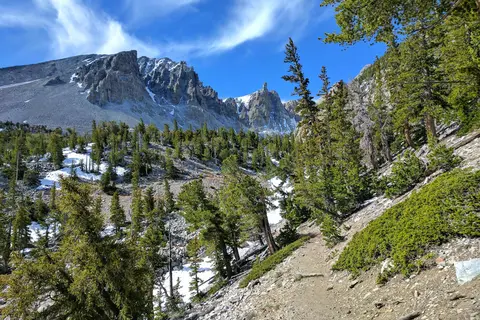
Great Basin in March
Score 81/100 · 10% of peak crowds · highs 48°F · 11.9h daylight
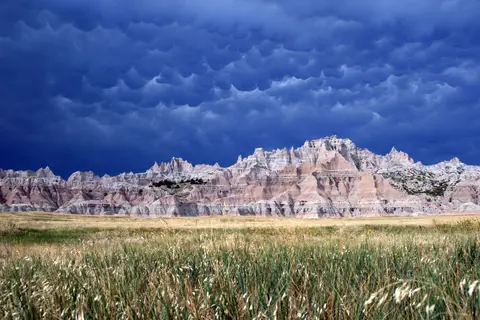
Badlands in March
Score 80/100 · 10% of peak crowds · highs 50°F · 11.9h daylight
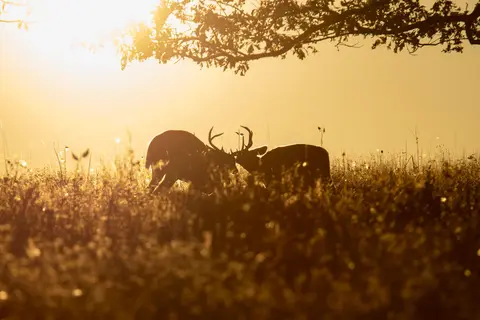
Shenandoah in March
Score 78/100 · 23% of peak crowds · highs 55°F · 11.9h daylight
Top 10 for March
| # | Park | Verdict | Score | Crowds vs peak | High/Low | Daylight |
|---|---|---|---|---|---|---|
| 1 | Great Basin National Park | Best window | 81 | 10% | 48°F/27°F | 11.9h |
| 2 | Badlands National Park | Shoulder | 80 | 10% | 50°F/22°F | 11.9h |
| 3 | Shenandoah National Park | Best window | 78 | 23% | 55°F/32°F | 11.9h |
| 4 | Wind Cave National Park | Best window | 78 | 15% | 50°F/24°F | 11.9h |
| 5 | Mesa Verde National Park | Best window | 77 | 17% | 47°F/30°F | 11.9h |
| 6 | Black Canyon of the Gunnison National Park | Best window | 76 | 19% | 49°F/23°F | 11.9h |
| 7 | Capitol Reef National Park | Best window | 76 | 44% | 57°F/34°F | 11.9h |
| 8 | Gateway Arch National Park | Shoulder | 76 | 35% | 56°F/36°F | 11.9h |
| 9 | Great Sand Dunes National Park | Best window | 75 | 21% | 49°F/24°F | 11.9h |
| 10 | Theodore Roosevelt National Park | Shoulder | 74 | 6% | 44°F/18°F | 11.8h |
Score = 45% weather comfort (NOAA 1991–2020 normals) + 35% quietness (NPS visitation 2021–2025) + 20% daylight, with penalties where headline access is typically closed. Identical formula for every park. Methodology.
What the top 10 call for in March
- Insulated winter jacketWhy: 7 of the top 10 have lows between 20°F and 32°F.
- MicrospikesWhy: 5 of the top 10 get 5″ or more of snow.
- Insulated waterproof bootsWhy: 5 of the top 10 get 5″ or more of snow.
Counted from NOAA weather normals. Each park's March page has its own list. Affiliate links: VisitWhen earns from qualifying purchases, at no extra cost to you. Prices can change; Amazon shows the current one.
Think twice in March
At the other end of the ranking: Denali (harsh conditions), Yellowstone (headline access typically closed), Katmai (headline access typically closed), Kobuk Valley (harsh conditions), Lassen Volcanic (headline access typically closed). Every park's page explains exactly why, with the underlying numbers.
Planning notes for March from the park service
Read the March notes for 50 parks
- Acadia: March is still inside Acadia's winter road closure, which lasts until April 14, and early darkness and unpredictable weather persist. Winter camping, overnight parking and out-of-bounds camping are not allowed anywhere in the park, so stay in a nearby town.
- Arches: For March at Arches, plan around parking rather than an entry ticket. The park service said no timed-entry reservation was needed in 2026 (its page has not yet said what 2027 brings), but it warns that the Delicate Arch and Devils Garden trailheads often fill for hours at a time, especially on weekends and holidays, and that cars may be turned away at the entrance when the park gets congested.
- Badlands: March is a cold, dry month at Badlands, with afternoons reaching about 48°F and nights in the mid-20s on the park's long-run averages, and less than an inch of precipitation. Sudden, dramatic weather changes are common here, the park warns, so dress in layers.
- Big Bend: March is spring break at Big Bend, and the park service names spring break among its very busiest periods, on top of a November-to-April stretch when the Chisos Mountains Lodge and every developed campground are full every night. Reserve your campsite on recreation.gov (up to six months out), because there are no first-come sites, and expect one-in, one-out traffic control at the Chisos Basin, Lost Mine Trail and Hot Springs lots on the busiest days.
- Biscayne: March is the final month of the regular spiny lobster season, which runs from August 6 to March 31. In Biscayne you may only take lobsters east of the islands.
- Bryce Canyon: March can still bring heavy spring snow to Bryce Canyon that affects travel in the region, the park warns, and it averages about 17 inches of snow, a high of 45°F and a low of 23°F. In 2026 North Campground's Loop B and Sunset Campground's Loop A opened for the season on March 25.
- Canyonlands: March is the run-up to Canyonlands' best weather. The park service names spring, April through May, and fall, mid-September through October, as the temperate and most popular seasons; March sits just before the spring window.
- Capitol Reef: March brings one of Capitol Reef's small openings: the Gifford House Store and Museum in Fruita reopens on March 14 (Pi Day), open daily 9 a.m. to 4:30 p.m. until late November. The park and its campgrounds are open all year, but the park service notes that some roads can still close for snow or bad weather, and visitor center hours change with the season, so call 435-425-3791 for the current hours and road report.
- Carlsbad Caverns: March is the start of Carlsbad Caverns' windy, mild early-spring stretch, which the park says runs March to May, though the Chihuahuan Desert can still deliver cold snaps; March's record low here is 10°F and its record high 94°F. The cavern keeps the same daily schedule all year: the elevator into the cavern stops at 2:30 p.m., so arrive with your timed-entry reservation well before then.
- Channel Islands: March closes the gray whale window, which the park puts at mid-March, and opens spring. The weather page warns that spring stays windy even as it warms, with sea temperatures from the mid 50s to the low 60s.
- Congaree: March is when Congaree's mosquito season begins, the park service says (mid-spring to mid-fall), so pack repellent. Before you go, look at the flood gauges: almost 80% of the park lies in the Congaree River floodplain, which floods roughly ten times a year and can close trails and parts of the boardwalk.
- Crater Lake: In March Crater Lake is still on winter operations. The park calls itself a Snow Zone: chains or traction tires are required on every vehicle in winter, and rangers can turn back a car that is not equipped.
- Cuyahoga Valley: March starts the thaw at Cuyahoga Valley, with average days of 46°F and nights of 29°F, but still around 11 inches of snow. The park plans Towpath Trail repairs between the Boston Trailhead and Lock 29 in Peninsula, with a tentative closure from March 29 to April 21, 2027, so check the conditions page before planning a towpath ride.
- Denali: March is the last month of Denali's long cold stretch, though snow cover can range from excellent to nonexistent and temperatures from 40°F to -40°F, the park notes. There are no winter gear rentals near the park, so bring your own skis or rent them in Fairbanks or Anchorage.
- Death Valley: March falls near the end of Furnace Creek Campground's reservation season at Death Valley, which covers October 15 through April 15. After mid-April the campground leaves its reservation season.
- Everglades: March is still Everglades' dry season (November through April), which the park service calls mild and pleasant, with low humidity and clear skies. That makes it one of the most popular months.
- Glacier: March at Glacier still runs on the winter setup. The 2026 ranger snowshoe walks were scheduled through March 15, and the park says most services in and near it do not reopen until late May or early June, so come self-sufficient and book a room outside the park.
- Glacier Bay: March sees Glacier Bay's wildlife cycle start to turn. The park describes many species that disappear from the bay over winter and return or re-emerge in spring.
- Great Basin: March at Great Basin is a transition month, and the park service advises coming ready for cold and snow or for the start of warm weather: valley days can be mild while snowpack still covers the high country. Lehman Caves tours run year-round, but each is capped at 20 people and they regularly sell out, so reserve on Recreation.gov; walk-up tickets, when offered, go on sale at the visitor center desk at opening and often go within the first hour.
- Grand Canyon: March at Grand Canyon is still winter on the rims: the park says snow remains possible at higher elevations through April, and fog sometimes forms over fresh snow on cold mornings before burning off. Deep in the canyon it is far warmer, since temperature rises about 5.5°F for every 1,000 feet you descend.
- Great Sand Dunes: March is the snowiest month at Great Sand Dunes and the most volatile: calm sunny mornings, high-wind afternoons, and the odd blizzard, so the park suggests seeing the dunes in the morning. Sandhill cranes peak in the San Luis Valley around the first week of March.
- Great Smoky Mountains: March brings unpredictable weather to the Smokies: sunny skies can give way to snow flurries within hours, and snow can fall at any time this month, especially at higher elevations. Lower areas average highs in the low 60s°F with frequent below-freezing nights.
- Grand Teton: March still brings about 20 inches of snow to Moose on average, with afternoons near 39°F. Colter Bay, Antelope Flats Road and the Taggart Lake area are among the park's suggested places to ski or snowshoe, and the ranger snowshoe hikes usually run until mid-March.
- Guadalupe Mountains: March closes out Guadalupe Mountains' windy season, which the park service runs from November through March, so expect days with winds above 30 mph and occasional gusts of 50 to 80 mph. Higher trails can still carry snow and ice.
- Haleakalā: March closes out the November-to-March wet spell at the summit, and the coast is rainy in every month anyway. Kīpahulu, on the windward shore 12 miles past Hāna, gets about 187 inches a year, with days of 70-80°F.
- Indiana Dunes: March at Indiana Dunes is still cold enough for hypothermia, and the park notes the prime range is actually above freezing, between 30 and 50°F. Early signs include intense shivering, loss of coordination and confusion.
- Joshua Tree: March is the heart of Joshua Tree's spring rush. In the busy season from mid-February to mid-May, the park service says the first-come campgrounds (Hidden Valley, Belle and White Tank) fill most weeknights, and on weekends they are typically full by Friday afternoon.
- Kenai Fjords: March is still winter at Kenai Fjords. The park says winter temperatures range from the low 30s down to -20°F, and the Exit Glacier area averages close to 200 inches of snow a year, with storms that drop several feet at a time.
- Kings Canyon: March in Kings Canyon is still winter-to-spring: the park service says spring here generally runs from April to mid-June, and snowfall timing is hard to predict, so chains can be required on park roads at any time. Cedar Grove stays closed until its season starts in May, but Grant Grove has services all year.
- Kobuk Valley: March is the last month of winter hours at the Northwest Arctic Heritage Center in Kotzebue, the park's headquarters 80 miles west of the park: 10 a.m. to 4:30 p.m., Monday to Friday, through March 31. It has a free museum on Arctic wildlife, geology and Iñupiaq culture, plus free wifi for long weather layovers.
- Lake Clark: March at Lake Clark is still winter. The lake itself usually stays frozen until April, and in winter parts of the park can be reached only by planes on skis, weather permitting; ice conditions decide whether a float or ski plane can land at all.
- Lassen Volcanic: March at Lassen Volcanic still runs on winter hours: on the park's current schedule, the Loomis Museum is closed for the winter and the Kohm Yah-mah-nee Visitor Center opens Friday to Sunday and on holidays, 9:30 a.m. to 4:30 p.m. For the Highway 89 road through the park, the park service says to check the alerts at the top of its pages and its Current Conditions page rather than assume a date.
- Mesa Verde: March at Mesa Verde is the quiet end of winter. Cliff dwelling tours start again in early May, the park service says, while Wetherill Mesa and the renovated museum are both scheduled to reopen in late spring 2027.
- Mount Rainier: March is still Mount Rainier's winter pattern, the park service's hours page shows: the Nisqually Entrance is the only way in by car, and the Paradise visitor center (Henry M. Jackson Memorial) opens only on weekends and holidays, when conditions allow.
- North Cascades: March is still winter on State Route 20, which usually reopens in late April or early May once crews clear the snow, the park says, and its visitor centers stay closed until late May. Lower valleys see rain while the mountains hold snow, and higher roads and trails can be snow-covered until early July.
- Olympic: March is still the reduced-service season at Olympic. The park service says some roads, campgrounds and other facilities are closed or have shorter hours from October through May, and that the busiest months are June through September, so you trade services for quiet.
- Petrified Forest: Coming to Petrified Forest in March, mind the clock: Arizona does not observe Daylight Saving Time and stays on Mountain Standard Time all year, the park service says. So when Daylight Saving begins in March, New Mexico and the Navajo Reservation, just east of the park, move an hour ahead of it, while Arizona lines up with California through the summer.
- Pinnacles: Pinnacles has two separate entrances, and in March as all year they work differently. The east side is open around the clock for trails, and it is the only side with camping: the Pinnacles campground is booked on recreation.gov.
- Redwood: March at Redwood is still inside the high-water closure for backcountry camping along Redwood Creek, which the park service keeps shut from October 15 to April 1 (and says the dates can move with the creek level). The Tall Trees Trail needs a reservation whatever the month.
- Rocky Mountain: March 15 ends Rocky Mountain's winter bald eagle closure along the Colorado River on the west side. Spring then brings temporary closures around nesting golden eagles, hawks and peregrine and prairie falcons, which the park monitors through the breeding season and may lift early where no nesting is seen.
- Saguaro: In March Saguaro still has its cool-season schedule: both visitor centers, Rincon Mountain in the east district and Red Hills in the west, are open daily 9 a.m. to 5 p.m. from October 1 to May 31. Tucson splits the park in two, so pick a district before you set out.
- Sequoia: March at Sequoia shows how much elevation matters: temperatures can differ by 20 to 30 degrees across the park, and there may be spring flowers in the foothills while Giant Forest is still under snow. The foothills average about 64°F in the afternoon, while the sequoia groves reach only the mid-40s.
- Shenandoah: March at Shenandoah can still look like winter up on the ridge. The park service notes that when the lowlands around it get rain, the park itself can be blanketed in snow and ice, and that Skyline Drive closes when conditions turn snowy or icy, sometimes for several days after a storm.
- Voyageurs: March is late ice-fishing season at Voyageurs. The park says ice houses, portable or left overnight in the allowed season, must sit at least 50 feet from the centre of snowmobile trails and the ice road, and anglers need a Minnesota fishing license and ice-house registration.
- White Sands: March at White Sands averages a high of 71°F and a low of 32°F, by the park's figures, and spring winds can gust up to 50 mph. When they do, blowing sand cuts visibility and makes breathing difficult, so check the forecast before you set out.
- Wind Cave: Spring is the wettest time at Wind Cave: the park gets about 18 inches of rain a year, most of it in spring, the park service says. Late-winter storms can still bring snow and briefly close roads, and snow can cut off remote parts of the park.
- Wrangell–St. Elias: March in Wrangell-St. Elias is still deep winter: every visitor center and ranger station is closed from October through April, though the park and preserve have no entrance stations and are open year-round.
- Yellowstone: March is one of Yellowstone's least busy months, the park says. Winter continues, but longer days bring gradual warming, and Mammoth Hot Springs, at 6,200 feet, averages 42°F in the afternoon while Yellowstone Lake stays near 36°F.
- Yosemite: In March, Yosemite's high country is still closed to cars: the park service says Tioga Road and Glacier Point Road are usually shut for snow from November until late May or early June, with plowing updates starting April 15. You can still reach Yosemite Valley on the roads that stay open all year, including Wawona Road (Highway 41), El Portal Road (Highway 140) and Big Oak Flat Road, but tire chains may be required through early spring, so carry them.
- Zion: March is when Zion's daily shuttle season starts again; the park service runs it daily from March through November, and during shuttle season personal vehicles are not allowed on the Zion Canyon Scenic Drive (Zion Lodge and Canyon Trail Rides guests with reservations are the exception). Plan to ride the shuttle up the canyon, arrive early because the park's own lots fill, or leave the car in Springdale and take the free Springdale Line in.
Each park's March page carries the full note and the NPS page it comes from.
Common questions about March
What is the best national park to visit in March?
Great Basin National Park scores highest for March (81/100): crowds at 10% of its peak, average highs of 48°F and 11.9 hours of daylight. Badlands and Shenandoah come next.
Which national parks are least crowded in March?
Compared with each park's own busiest month, the quietest in March are Kenai Fjords (under 1% of peak), Lake Clark (under 1% of peak) and Theodore Roosevelt (6% of peak). This leaves out parks in their harsh season or with main access typically closed. The least-crowded ranking covers every month.
Which national parks are warm in March?
The warmest by average high are American Samoa (88°F), Virgin Islands (85°F) and Everglades (83°F), from NOAA 1991–2020 normals at each park's nearest weather station.
Which national parks are best avoided in March?
Denali (harsh conditions), Yellowstone (main access typically closed), Katmai (main access typically closed), Kobuk Valley (harsh conditions) and Lassen Volcanic (main access typically closed) sit at the bottom of the March ranking. Each park's March page shows the numbers behind that, starting with Denali in March.
How are the parks ranked?
Each park gets a score out of 100 for March: 45% weather comfort (NOAA 1991–2020 normals), 35% quietness (NPS visits, 2021–2025 average) and 20% daylight. Parks whose main access is typically closed lose points and are never marked as a best month. The same formula is used for every park.
All 63 parks in March
No parks match.
Last verified 2026-09-24
Plan your gear after choosing a park
Check the park's weather and trail conditions before choosing sizes or equipment. These options are starting points for comparison; none is required for every visit.
As an Amazon Associate, VisitWhen earns from qualifying purchases, at no extra cost to you.
- Black Diamond Storm 550 headlampSee price on AmazonView on Amazon
A rechargeable light to consider if your plans include walking after dark. Check battery runtime and carry an appropriate backup.
- Compare hiking footwear on Amazon
Choose for your terrain, fit and intended distance; check sizes and return terms.
- Compare packable rain jackets on Amazon
Compare fit, weather protection and packed size with the conditions on your park page.